


March 28, 2024
The Benefits of Different Types of Gym Floors


Most people don’t think much about flooring, yet it shapes how safe, quiet, and clean your gym feels. The right surface protects your subfloor, keeps noise down, and helps members train with confidence.
This guide explains the main rubber flooring options, why thickness matters, how the Easy Clean finish works, and how to choose the best setup for your space.
Why Flooring Matters
- Protects concrete, tiles, and equipment from repeated impact
- Reduces noise and vibration from drops and fast footwork
- Provides stable footing for lifts, classes, and circuits
- Keeps your gym tidy and easy to clean
Rubber Gym Flooring Options
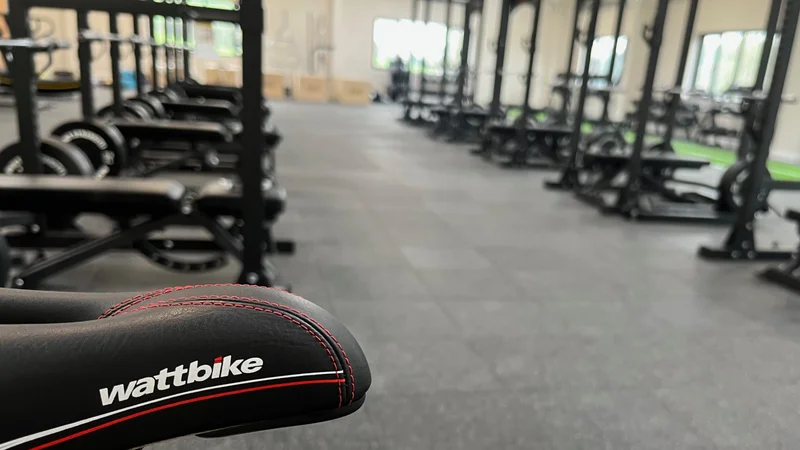
Rubber is the go-to choice for most gyms. It’s tough, forgiving, and simple to maintain. The two most common thicknesses are 15 mm and 20 mm (Available in 30mm and 40mm also). Both reduce sound and impact—the right choice depends on how heavy the training gets and how busy the room is. Sizes vary from 1m x 1m, 1m x .5m and .5m x .5m
15 mm Rubber Flooring
Best for home gyms, PT studios, small clubs, and general fitness spaces.
Why choose 15 mm
- Protects the subfloor
- Good noise control for everyday lifting
- Comfortable underfoot for circuits and classes
- Lighter and easier to install
Best uses
- Dumbbells and machines
- Moderate barbell work with controlled drops
- Mixed training zones where space is limited
20 mm Rubber Flooring
Built for large commercial gyms and heavy free-weight areas.
Why choose 20 mm
- Extra mass for greater impact resistance
- Stronger noise and vibration control
- Long-term durability in busy spaces
Best uses
- Heavy deadlifts and pulls with bumper plates
- High footfall free-weight rooms
- Team training areas that run all day
Note on Heavy Drops
For very heavy Olympic lifting, many gyms add drop pads or a weightlifting platform in the busiest zones. This protects the main floor and reduces noise.
Easy Clean Surface Option
Both 15 mm and 20 mm tiles are available with an Easy Clean finish. This smooth, sealed surface stops dust and chalk from working into the pores, making upkeep fast and keeping the floor looking fresh.
Benefits of Easy Clean
- Quicker daily mopping
- Less chalk build-up in strength areas
- Tidy, professional appearance for longer
- Plastic connectors keep the floor in place forever avoiding gaps appearing in the floor.
We recommend Easy Clean for commercial gyms and larger clubs. It helps protect your investment and reduces the need to replace tiles early.
How to Choose the Right Thickness
Ask yourself a few simple questions:
- How heavy are the lifts in this area?
- How busy is the room across the week?
- Is noise a concern for neighbours or upstairs offices?
- Do we need extra isolation in specific drop zones?
A common layout is 20 mm in heavy free-weight areas and 15 mm in lighter training zones. This keeps costs sensible and performance high where it matters most.
Installation Basics
- Start with a flat, level base
- Dry-fit tiles first to plan the layout
- Keep transitions flush to nearby surfaces
- Follow guidance on adhesives or interlocks
- Avoid damp corners and allow airflow
If you are unsure, speak to our team—we can walk you through tile sizes, edge options, and the best way to handle doorways and racks.
Care and Cleaning
- Sweep or vacuum daily to remove grit and chalk
- Mop with a mild cleaner as needed
- Wipe spills quickly to prevent marks
- Check edges and joints regularly and reseat if needed
- Rotate or replace worn tiles in the busiest spots
A simple routine keeps the floor grippy, quiet, and professional.
Ready to Choose Your Flooring?
If you have any questions or are interested in purchasing, the trained staff at Fitness Equipment Ireland are happy to help.
Call us: (01) 816 7510
Email: [email protected]
Visit us: Unit 1 Kylemore Park West, Dublin 10, D10 WC62