


January 14, 2026
Exercise Bikes: How To Choose The Right One For Your Home Or Gym


If you walk into most commercial gyms, you will spot an exercise bike somewhere near the treadmills and rowers. There is a reason for that. Bikes are easy to use, kind on the joints, and they suit everyone from nervous beginners to serious athletes.
At Fitness Equipment Ireland, we see more and more people choosing exercise bikes for both home set-ups and commercial gyms. Still, with upright, recumbent, air and spin-style bikes in the mix, it can be hard to know where to start.
Let us break it down and keep it simple.
What makes an exercise bike so useful?
An exercise bike keeps your legs moving without hammering your knees, hips and ankles. It lets you work as hard or as easy as you like, without needing any fancy technique.
A few key benefits:
- Easy to learn: most people can sit down, start pedalling and figure it out in a minute.
- Joint-friendly: helpful if you are returning from injury or have sore knees.
- Flexible: you can use it for warm-ups, steady rides or tough intervals.
- Fits around life: you can cycle while watching TV or listening to a podcast.
Used regularly, an exercise bike can help with heart health, leg strength and general fitness. Paired with good nutrition, it can also support weight loss.
The main types of exercise bikes
On our exercise bike range, you will see a few different styles. Each one suits a slightly different user and training style.
1. Upright bikes
These look and feel like a regular commuter bike. You sit in a fairly upright position with the pedals directly under you. They are good all-rounders for home use and general gym cardio.
Best for:
- Home gyms
- Warm-ups and cool-downs
- Steady cardio sessions
2. Recumbent bikes
Recumbent bikes have a larger seat with a backrest and the pedals out in front. The position takes pressure off the lower back and hips, which many people find more comfortable for longer rides.
Best for:
- People with back or joint issues
- Older adults
- Anyone who values comfort over a race bike feel
3. Air bikes
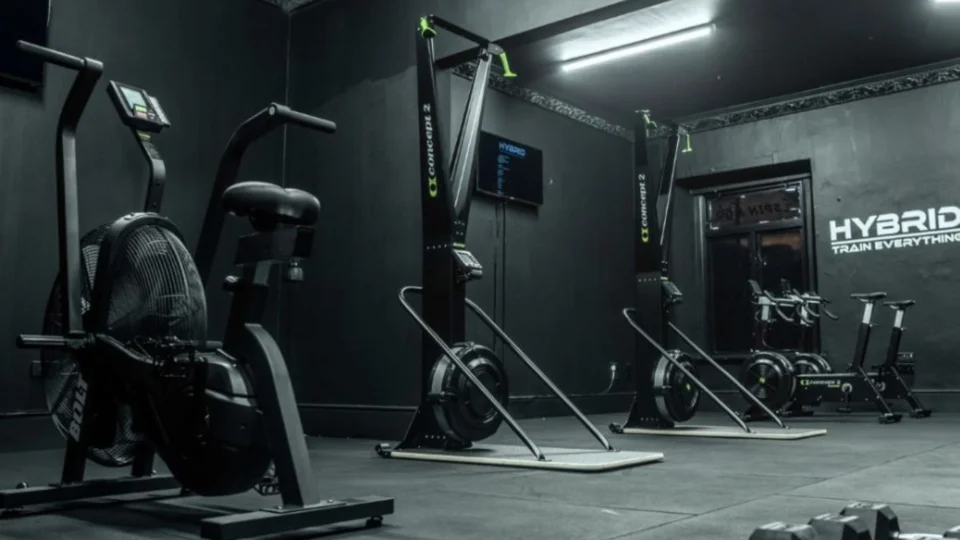
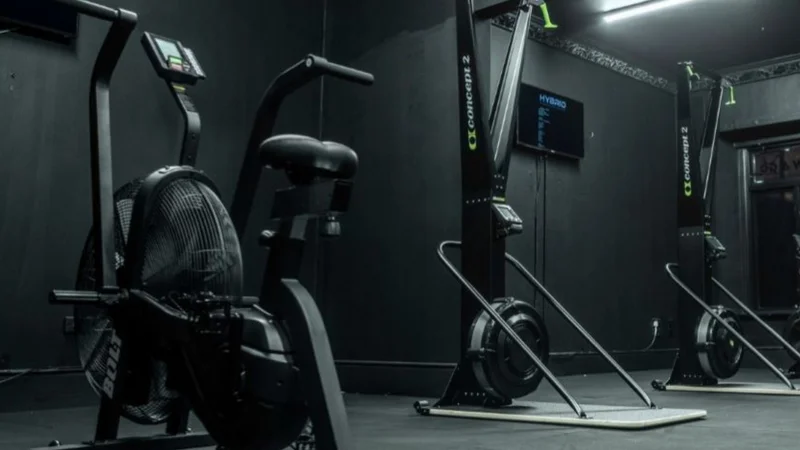
Air bikes use a large fan for resistance. The harder you pedal, and the more you push or pull the handles, the more resistance you feel. They are popular with people who enjoy short, hard efforts.
Best for:
- High intensity sessions
- Sports teams and conditioning work
- Short, tough intervals
4. Spin-style and performance bikes
These bikes are built to feel closer to a road bike. They usually have a heavier flywheel and a more aggressive riding position. If you enjoy spin classes or hard cycling sessions, this style will feel familiar.
Best for:
- Spin classes
- Cyclists who want an indoor training option
- People who enjoy harder, sport-style sessions
5. Smart trainers and accessories
You will also find indoor trainers and simple add-ons such as tablet or phone holders. These are ideal if you like virtual classes, coaching apps or structured plans that you follow on screen.
How to pick the right exercise bike
Once you know the basic types, it is easier to narrow things down. A few simple questions can guide you.
1. Where will you use it?
If the bike is going in a spare room or living room, measure the space and compare it to the product dimensions. A compact upright or recumbent bike is often the easiest fit for a home.
For a gym, PT studio or club, look at heavier, commercial-rated frames. These are designed to cope with more users and higher weekly training hours.
2. Who will be using it?
- Single home user: you can pick a bike based on your height, weight and preferences.
- Family: look for a wide range of seat adjustment and a higher maximum user weight.
- Gym or club: focus on durability, simple controls and clear displays that any member can understand.
3. How do you like to train?
If you enjoy longer, steady rides while listening to music or watching TV, a comfortable upright or recumbent bike is ideal.
If you prefer short blasts and tough workouts, an air bike or spin-style bike will give you the intensity you want.
If you are a cyclist who spends time on the road, a performance bike or smart trainer that pairs with apps may suit you better than a basic console.
4. What console features do you actually need?
Many bikes now include built-in programmes, interval options, heart rate monitoring and more. It is easy to get caught up in features you may never use.
Think about:
- Do you just want time, distance, speed and calories on screen?
- Would you use built-in hill and interval programmes?
- Do you plan to link to training apps or heart rate straps?
There is no right or wrong here, but it is worth matching the console to how you plan to train in real life.
Simple ways to use an exercise bike
You do not have to follow a complicated plan to get value from an exercise bike. Here are three straightforward session ideas you can adjust to your fitness level.
1. Gentle starter ride
Perfect if you are new to training or coming back after a break.
- 5 minutes easy pedalling to warm up
- 10 to 15 minutes at a light, steady pace
- 5 minutes easy to cool down
Keep the resistance low and focus on getting used to the movement.
2. Steady fat-burning ride
- 5 minutes easy warm-up
- 20 to 30 minutes at a pace where you can still talk but feel you are working
- 5 minutes cool down
This sort of ride is simple, kind to your joints and good for your heart.
3. Short interval session
Once you have a base level of fitness, you can add some intervals. For example:
- 5 minutes warm-up
- 1 minute hard, 2 minutes easy, repeat 6 to 8 times
- 5 minutes cool down
Adjust the resistance and pace so the hard minute feels challenging, but not all-out. Over time you can increase the number of rounds.
Home use versus commercial use
One handy feature on our site is the way products are labelled for home or commercial use. That makes life easier when you are scrolling through options.
- Home use: lighter frames, smaller footprints, often more budget-friendly. Ideal for a few sessions a week.
- Commercial use: stronger frames, higher maximum user weights, heavy-duty components. Better for gyms, clubs, schools and workplaces where the bike will see daily use.
If you are unsure, think about how many people will be on the bike in a typical week. Heavy use points you towards commercial.
Why brand choice matters
An exercise bike is something you are likely to use for years, so it is worth choosing a proven brand. A good bike focuses on smooth resistance, solid build quality and a clear console. That means less wobble, less noise and a better feel while you pedal.
At Fitness Equipment Ireland we stock a wide range of trusted brands, from home-friendly options to high-end commercial bikes. That way, you can match the bike to your budget and your training needs.
When you might pick an exercise bike instead of a treadmill
Treadmills are great, but they are not for everyone. You might prefer an exercise bike if:
- You have sore knees, hips or ankles
- You are nervous about running or higher impact work
- You want something you can safely use while watching TV
- You share the space and want quieter cardio kit
A bike also pairs well with other equipment. Many gyms use exercise bikes for warm-ups before strength training, or as a low impact option on recovery days.
Getting started with your own exercise bike
An exercise bike does not need to be complicated. Once you have decided on your budget, the space you can give it and the style of riding you enjoy, your choices narrow very quickly.
From there, it comes down to picking the type that fits your set-up, whether that is upright, recumbent, air or spin-style, and choosing a trusted brand that feels good to ride.
Once your bike is in place, the big step is simply getting on it a few times each week. The consistency matters more than chasing the perfect workout.
If you are still unsure which model is right for you, our team at Fitness Equipment Ireland are happy to help. Get in touch for advice on choosing an exercise bike for your home, gym or club, or have a look through our current exercise bike range to see what catches your eye.